
Research
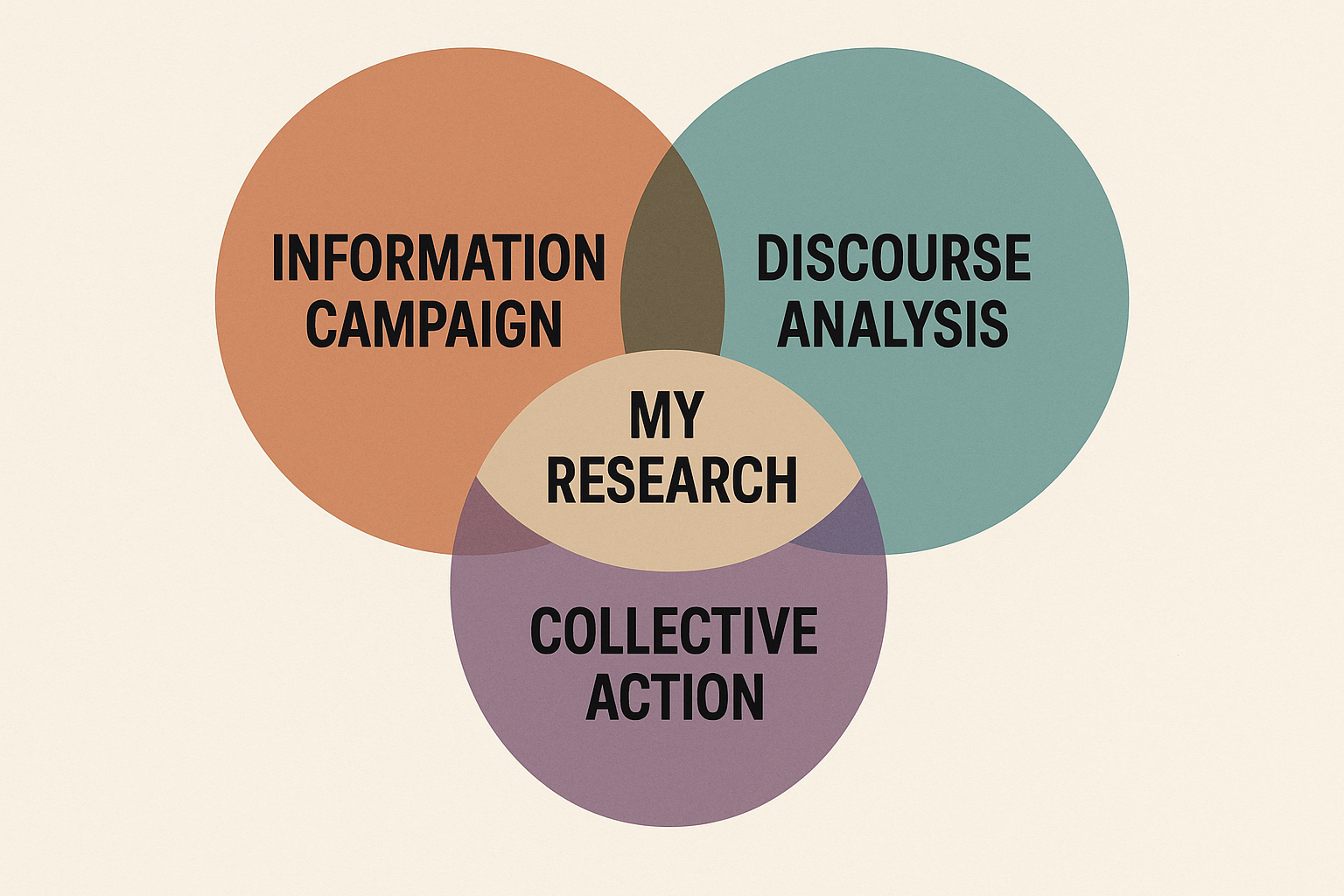
My research focuses on socio-computational approaches to understanding collective action, group behavior, and discourse dynamics within the context of social movements and information campaigns. By integrating methods from computational social science, discourse analysis, and social network analysis, my work seeks to uncover how online interactions shape real-world mobilization, and narrative evolution.
The key themes of my research include:
- Modeling Collective Action: Understanding how individuals coordinate and mobilize online and offline in response to social, political, or ideological triggers.
- Information Campaigns: Analyzing the structure and effectiveness of strategic communication aimed at shaping public opinion or countering disinformation.
- Group Behavior and Dynamics: Studying how group identity, behavior norms, and engagement patterns evolve over time.
- Discourse Analysis: Investigating language, framing, and rhetorical strategies used within digital activism and political communication.
- Social Network Analysis: Mapping influence, community structures, and propagation paths in social media networks.
Case Studies
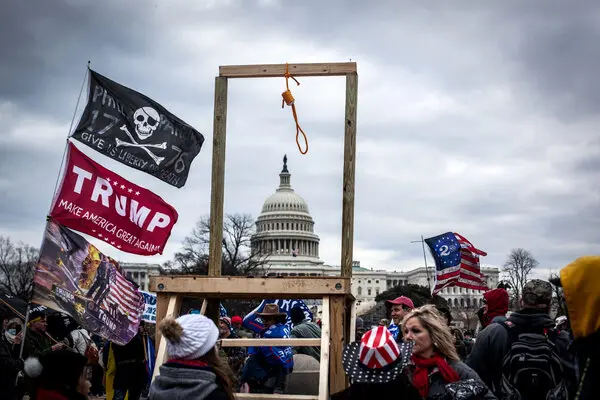
🇺🇸 US Capitol Insurrection (Twitter)
Exploring how Twitter networks fueled and coordinated narratives around the January 6th Capitol attack.
This study traced the amplification of election denial and anti-government sentiment across Twitter. It analyzed retweet cascades, influencer nodes, and temporal peaks of incitement in relation to offline mobilization.
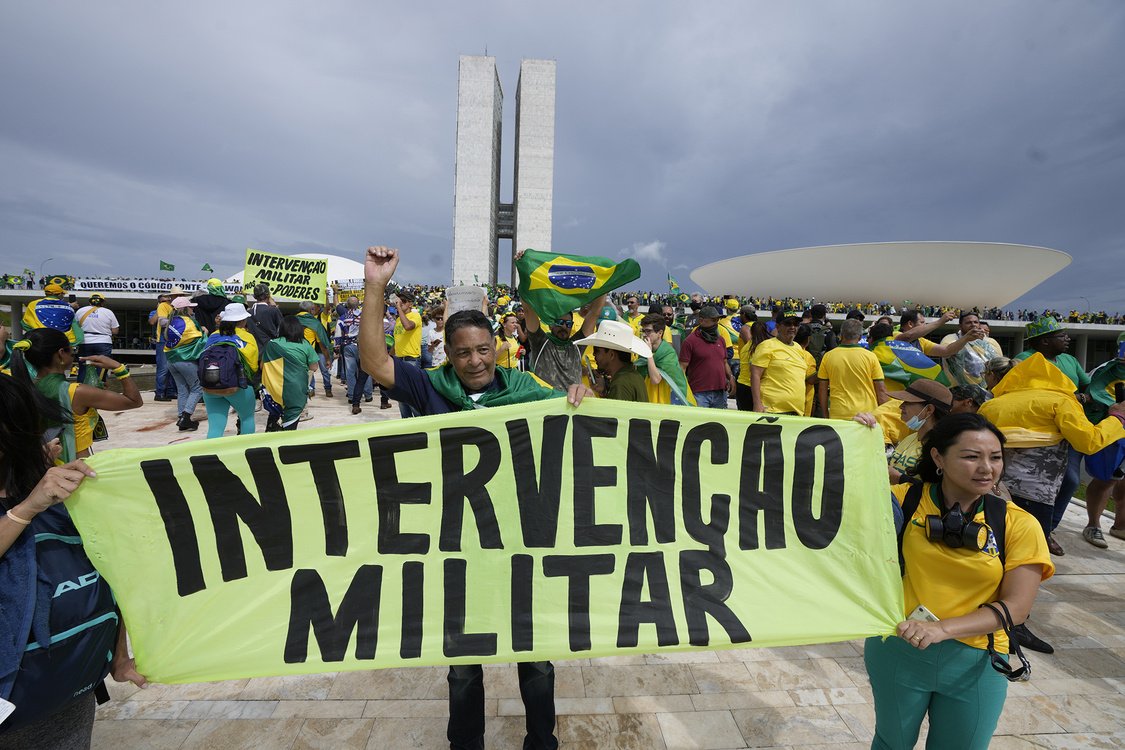
🇧🇷 Brazil Insurrection (Twitter/Instagram)
Analyzed digital mobilization and protest escalation in Brazil’s post-election unrest.
Combining multimodal content from Instagram and network analysis of Twitter hashtags, this work examined how populist influencers and online communities mobilized for anti-government actions and disputed democratic legitimacy.
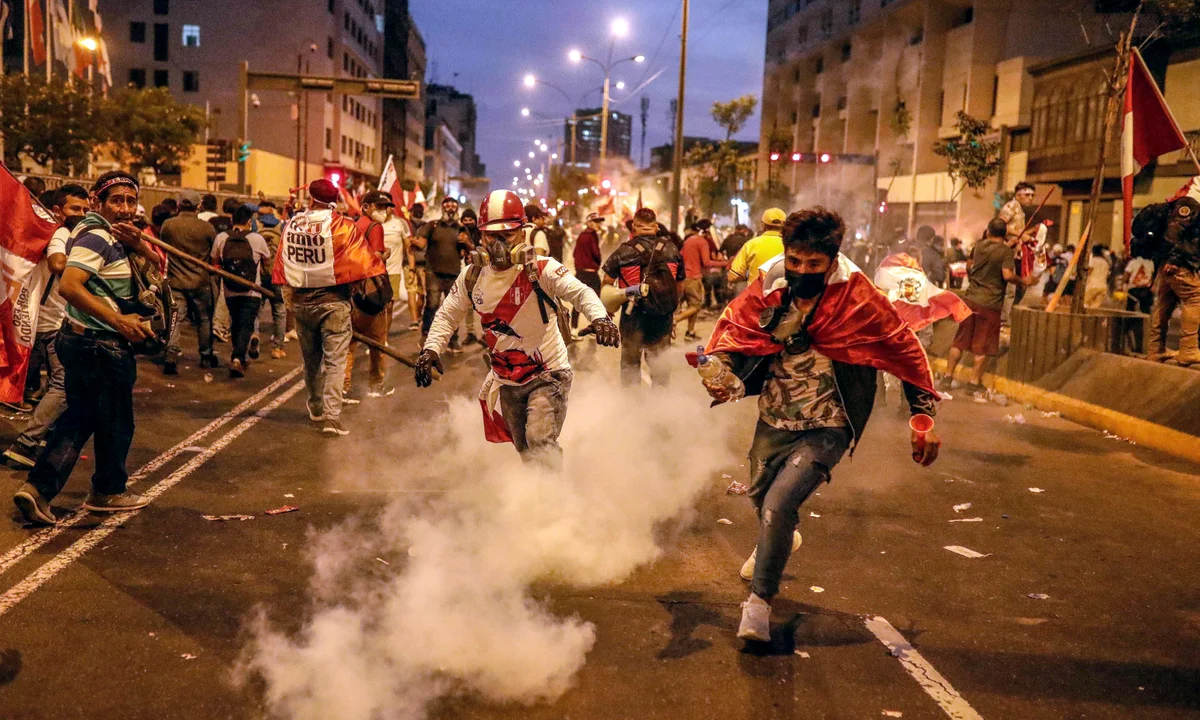
🇵🇪 Peru Insurrection (Twitter/Instagram)
Investigated grassroots unrest following political instability in Peru.
The focus was on analyzing decentralized protest discourse on Instagram and political narrative coordination on Twitter. Emphasis was placed on indigenous identity framing and citizen-driven opposition.
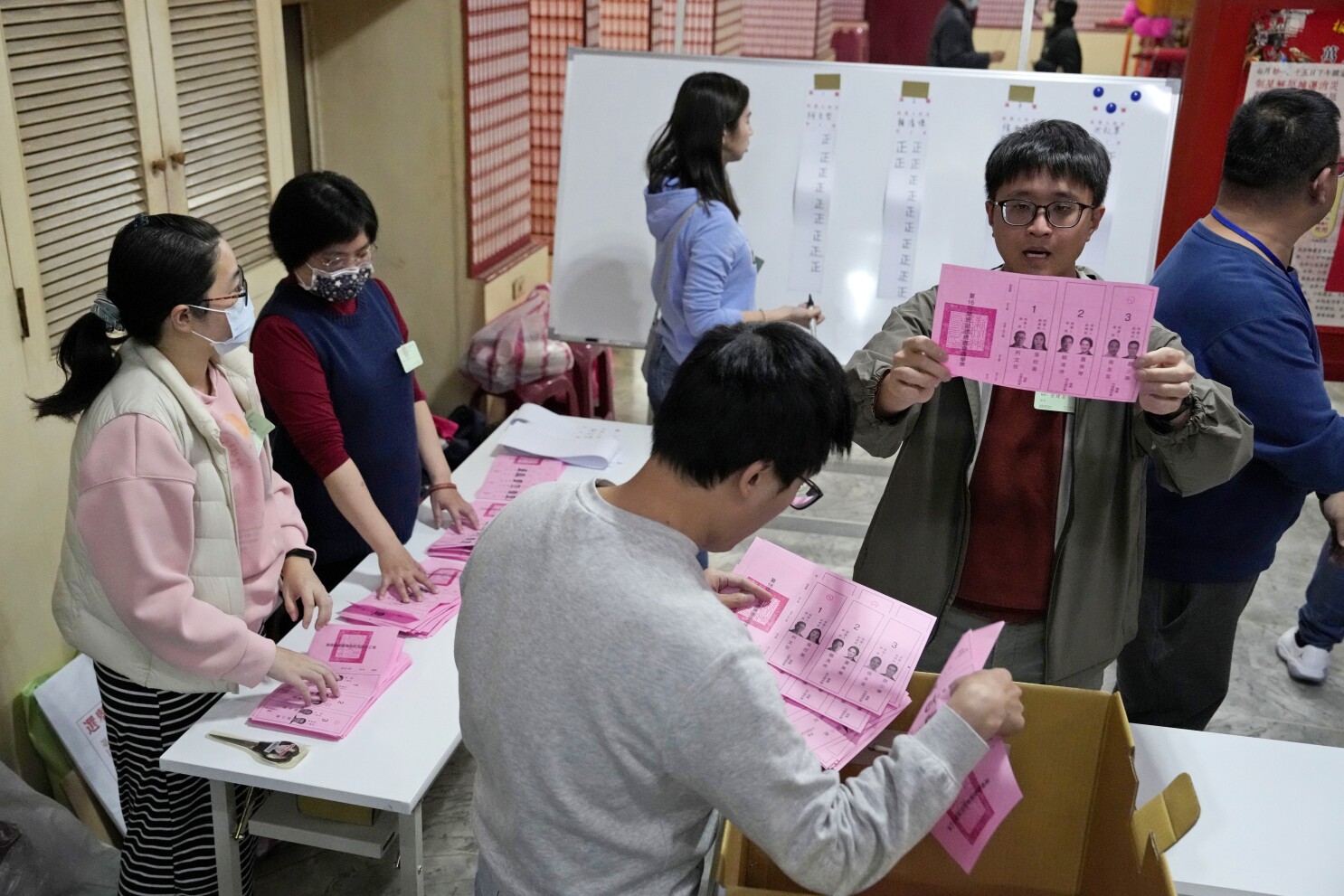
🇹🇼 Taiwan 2024 Presidential Election – Anti-Disinformation Campaign (TikTok, YouTube)
Studied a civic-led counter-disinformation campaign during the lead-up to the Taiwan 2024 elections.
This research explored how digital literacy organizations and citizen networks used short-form video platforms to disrupt foreign disinformation narratives and promote verified information.
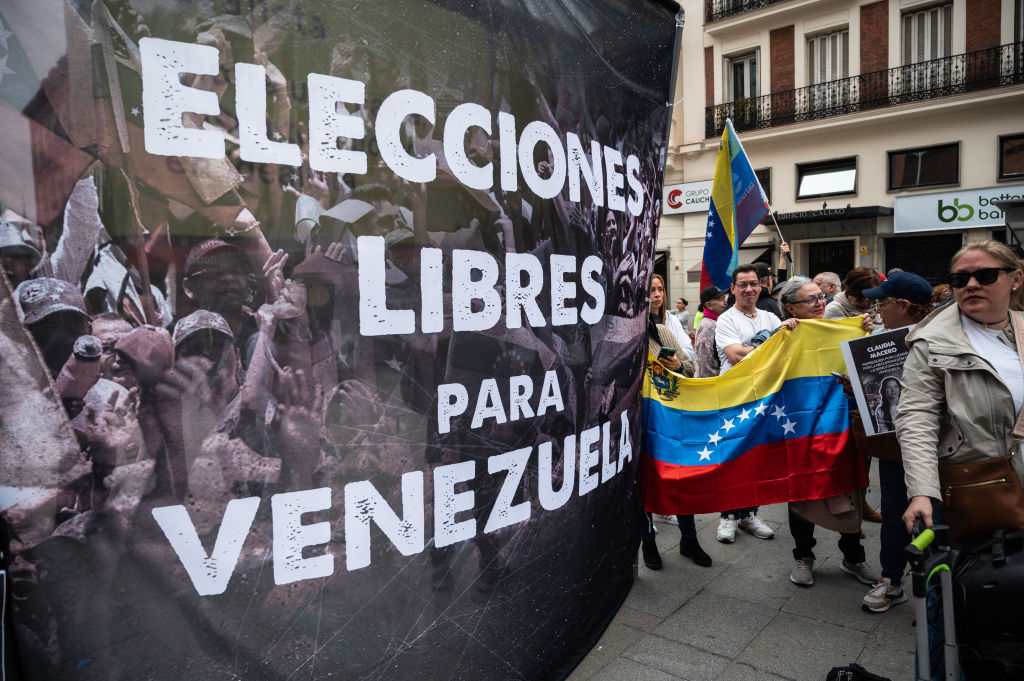
🇻🇪 Venezuela Election Discourse (Twitter/Instagram)
Mapped the polarized discourse and legitimacy debates surrounding recent elections in Venezuela.
Key themes included state-affiliated narrative propagation, citizen resistance, and hashtag hijacking. Instagram story chains and tweet threads were analyzed for sentiment and mobilization cues.
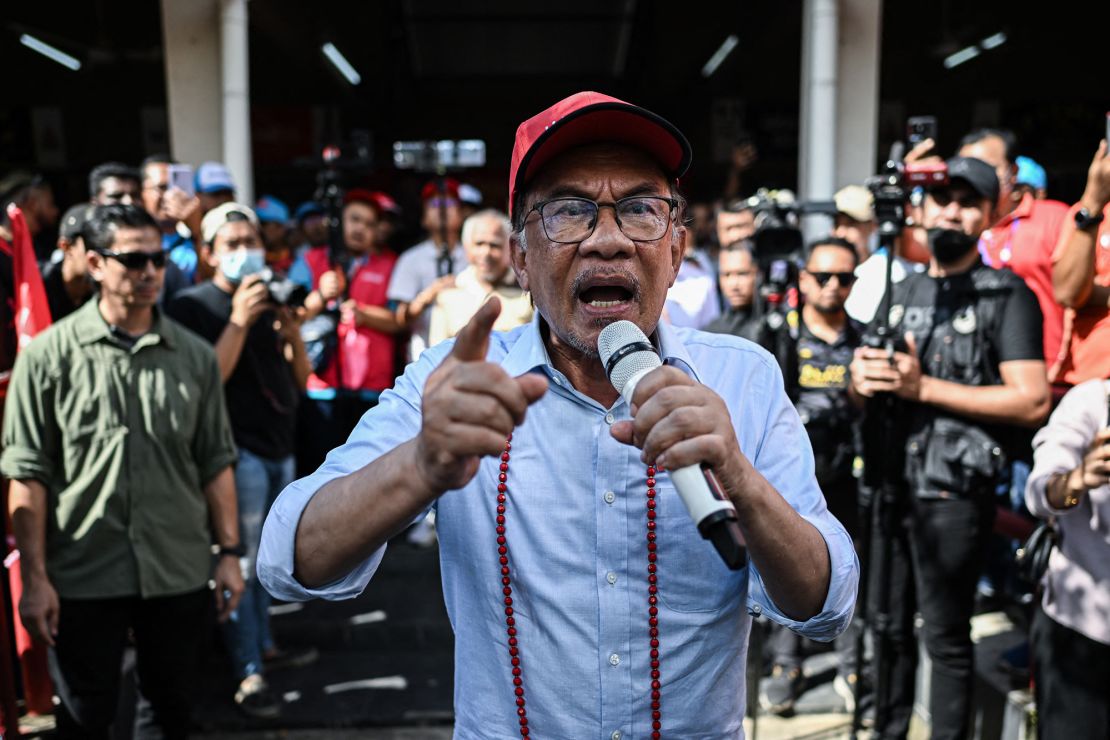
🇲🇾 Malaysian Politics Discourse (Instagram)
Studied identity politics and political influencer culture in Malaysia.
Instagram was used as the primary platform to examine visual discourse, political meme usage, and youth political engagement through narrative-rich storytelling and influencer posts.
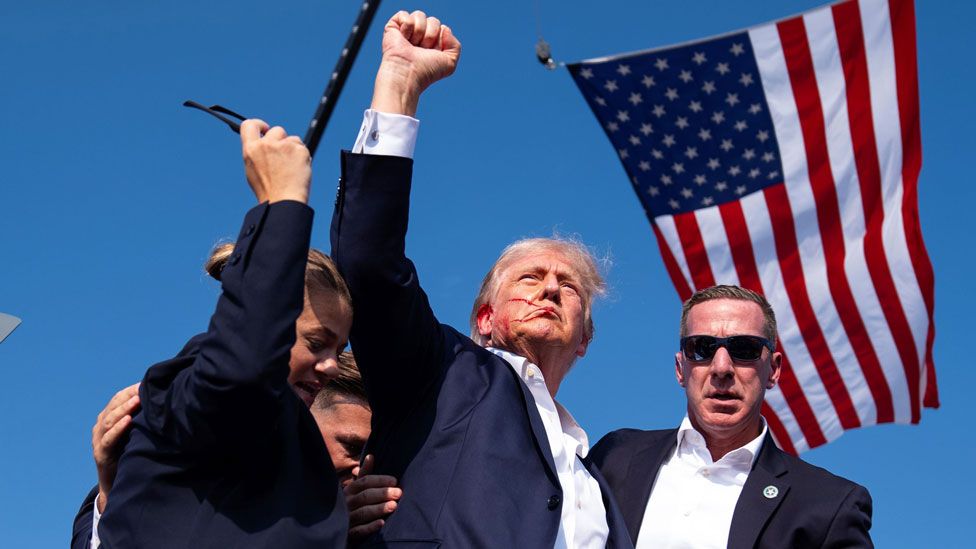
🇺🇸 US 2024 Election Ecosystem: Conspiracies and Crisis Narratives (Gab, Rumble, Twitter, Instagram)
Examined the emergence of conspiratorial narratives like the Trump assassination attempt, election fraud, and ‘PET’ conspiracies.
Focused on alternative platforms such as Gab and Rumble, the study highlighted how fringe communities propagate conspiracies, their connection to mainstream platforms, and their potential influence on voter sentiment and collective action.
Summary
These cases illustrate how social media ecosystems act as incubators of political engagement and mobilization, both for democratic participation and destabilizing agendas. My research leverages computational modeling and interdisciplinary methods to unpack these complexities, helping scholars and practitioners better understand the digital scaffolding of modern collective action.